Between 1 and 11 June 2026, CHASE/FCUL PhD student Federico Malavolta attended the Bergen Summer Research School (BSRS), University of Bergen (Norway), after being awarded a competitive scholarship covering his participation and accommodation. Bringing together participants from 27 countries, the programme offered an interdisciplinary learning environment centred on one of today's major scientific challenges: understanding how climate change is reshaping ocean productivity and the services the ocean provides to society.
Federico's PhD research focuses on the influence of Saharan and Namibian dust deposition on phytoplankton dynamics and carbon export in the eastern tropical Atlantic, combining observations from the OceanICU project with satellite data and deep-sea sediments. For this reason, the main course, "Ocean Productivity and Seafood in a Changing Climate", was particularly relevant, providing new perspectives on the physical, chemical and biological processes controlling marine primary productivity. Lectures and practical workshops explored topics ranging from phytoplankton growth under different nutrient and light regimes to nutrient supply mechanisms, climate processes and Earth System Models, strengthening the broader environmental context in which his doctoral research is framed.
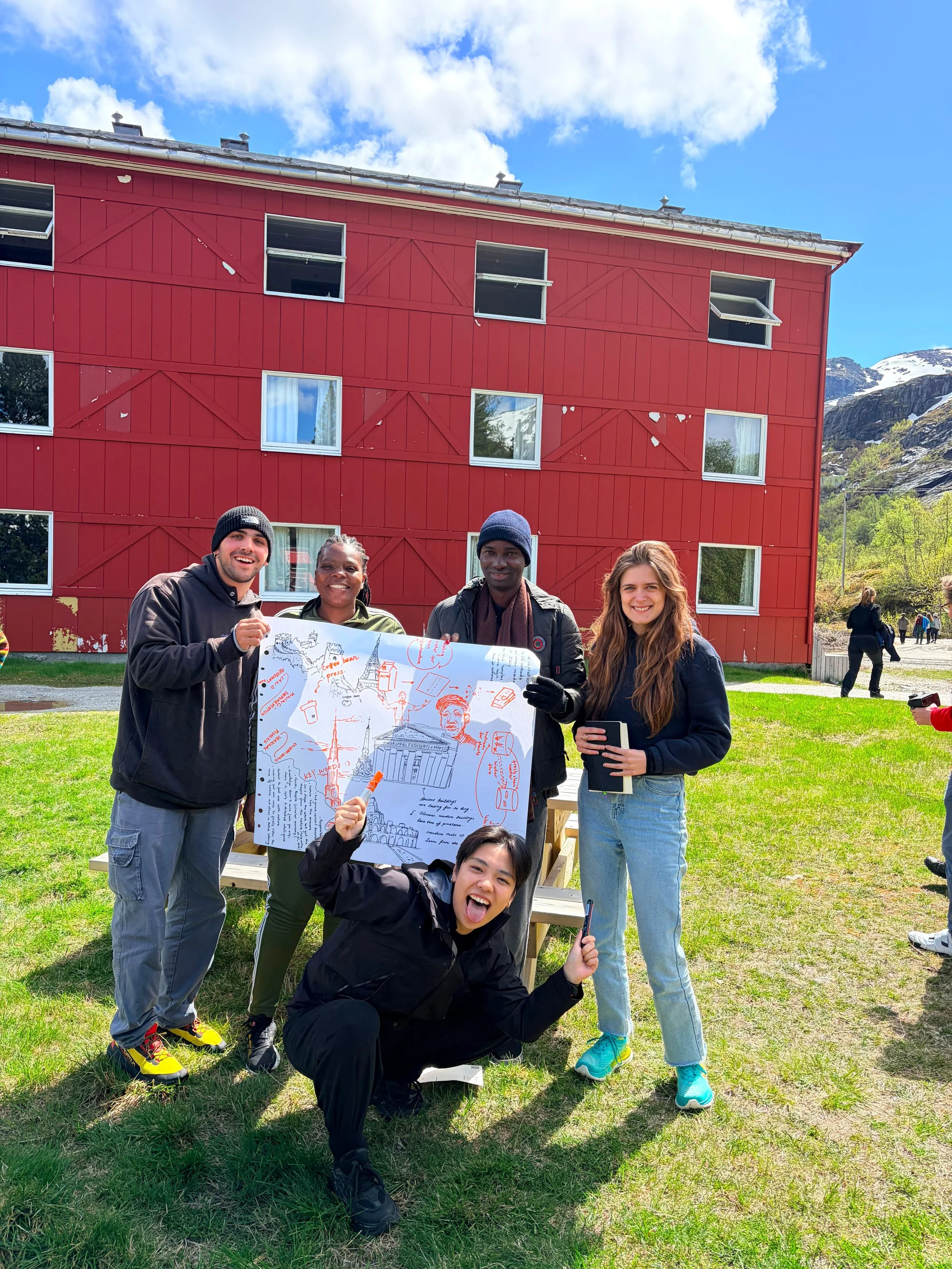
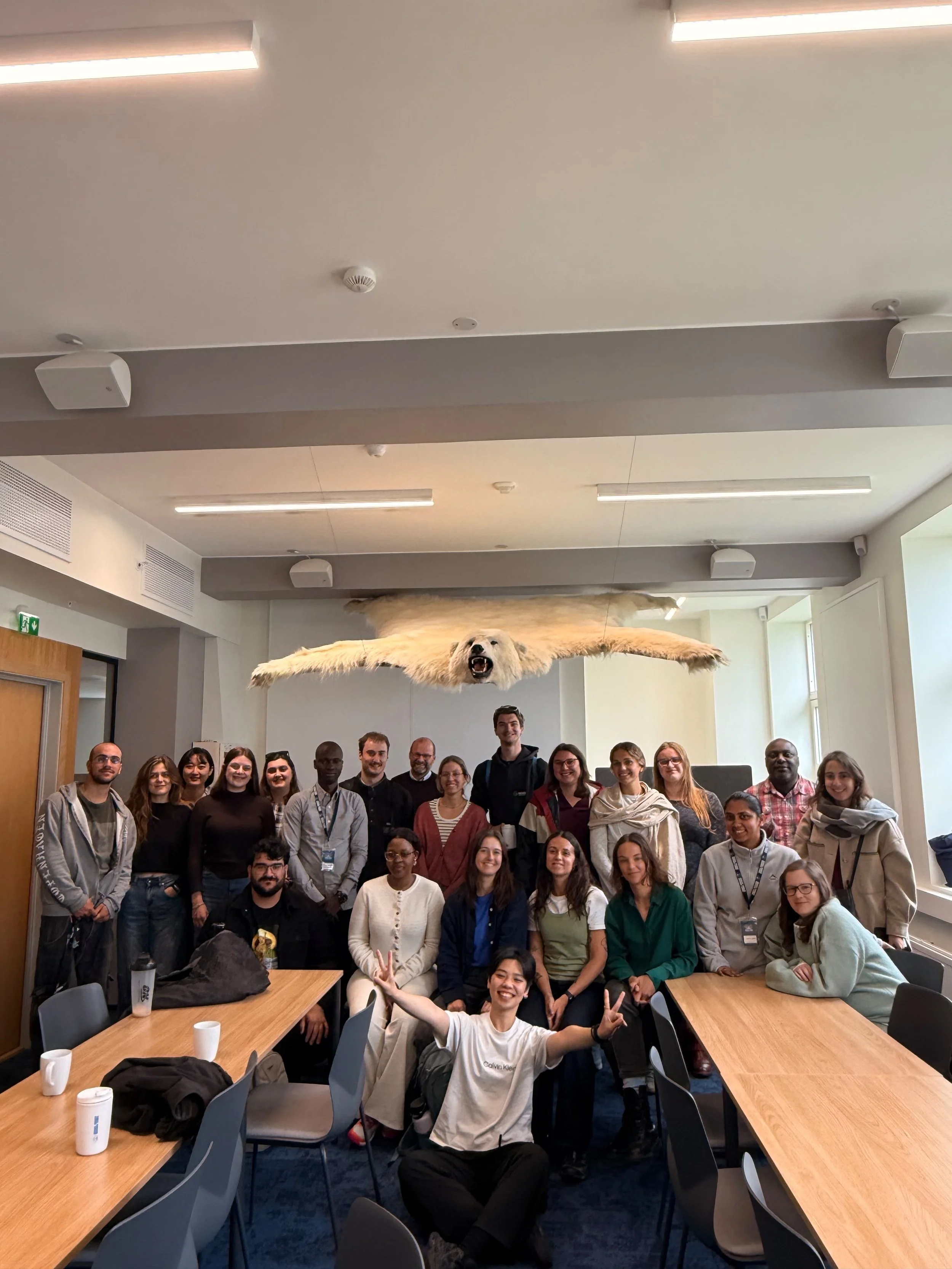
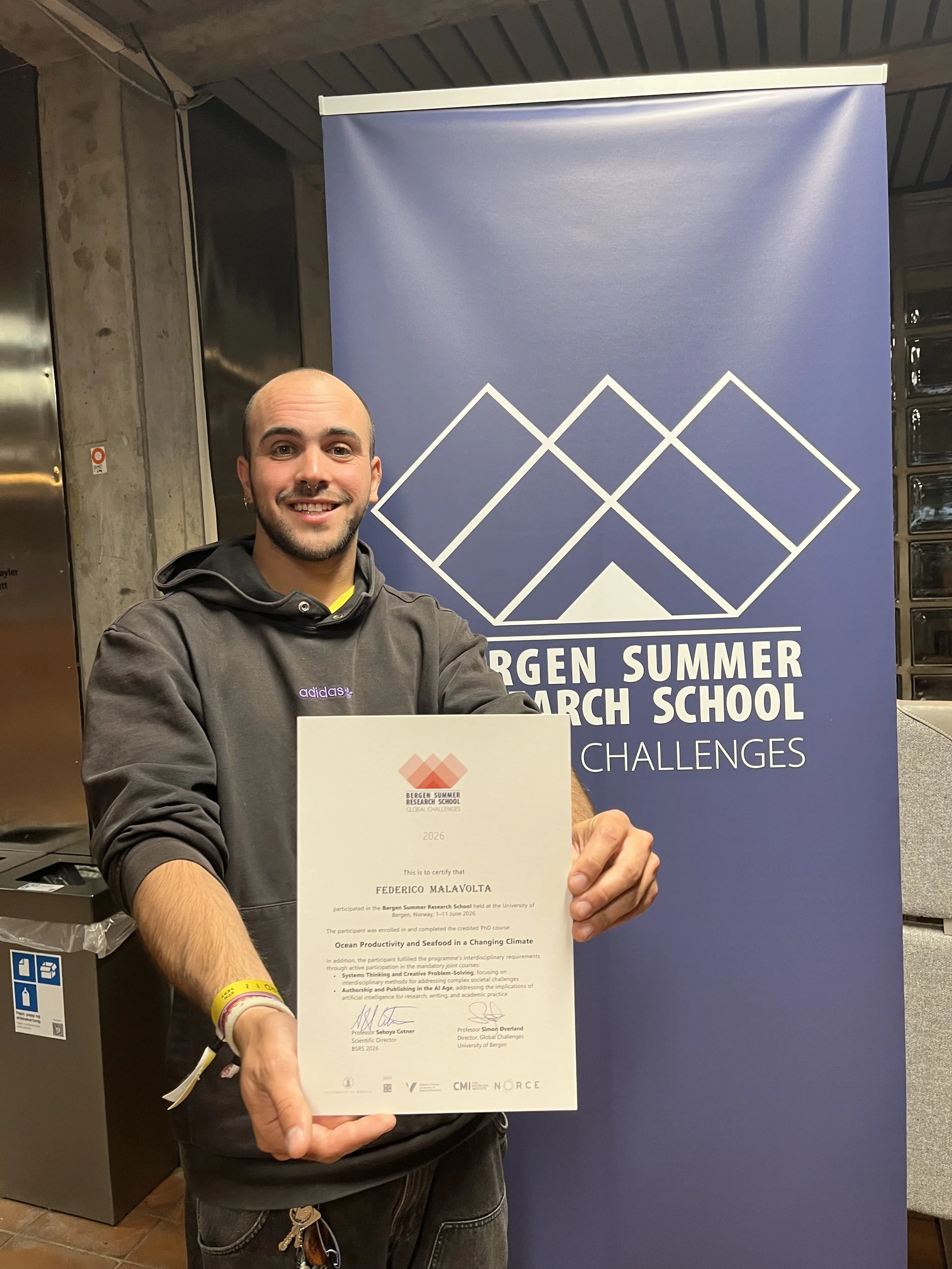
Beyond the scientific programme, the Summer School placed strong emphasis on interdisciplinarity. Courses on Systems Thinking encouraged participants to move beyond disciplinary boundaries and explore the links between environmental, social and economic systems, while sessions on scientific publishing in the AI era stimulated discussion on responsible scientific communication and authorship.
One of the highlights of the programme was the Arctic Bio Hack – Summer Camp for the Ocean, an immersive experience combining outdoor activities, reflection and collaborative discussions on sustainability, regenerative futures and the relationship between science and society. Together with colleagues from different disciplines, Federico also contributed to a policy brief on climate mitigation through education, which was selected as the best group project of the Summer School and presented to all participants.
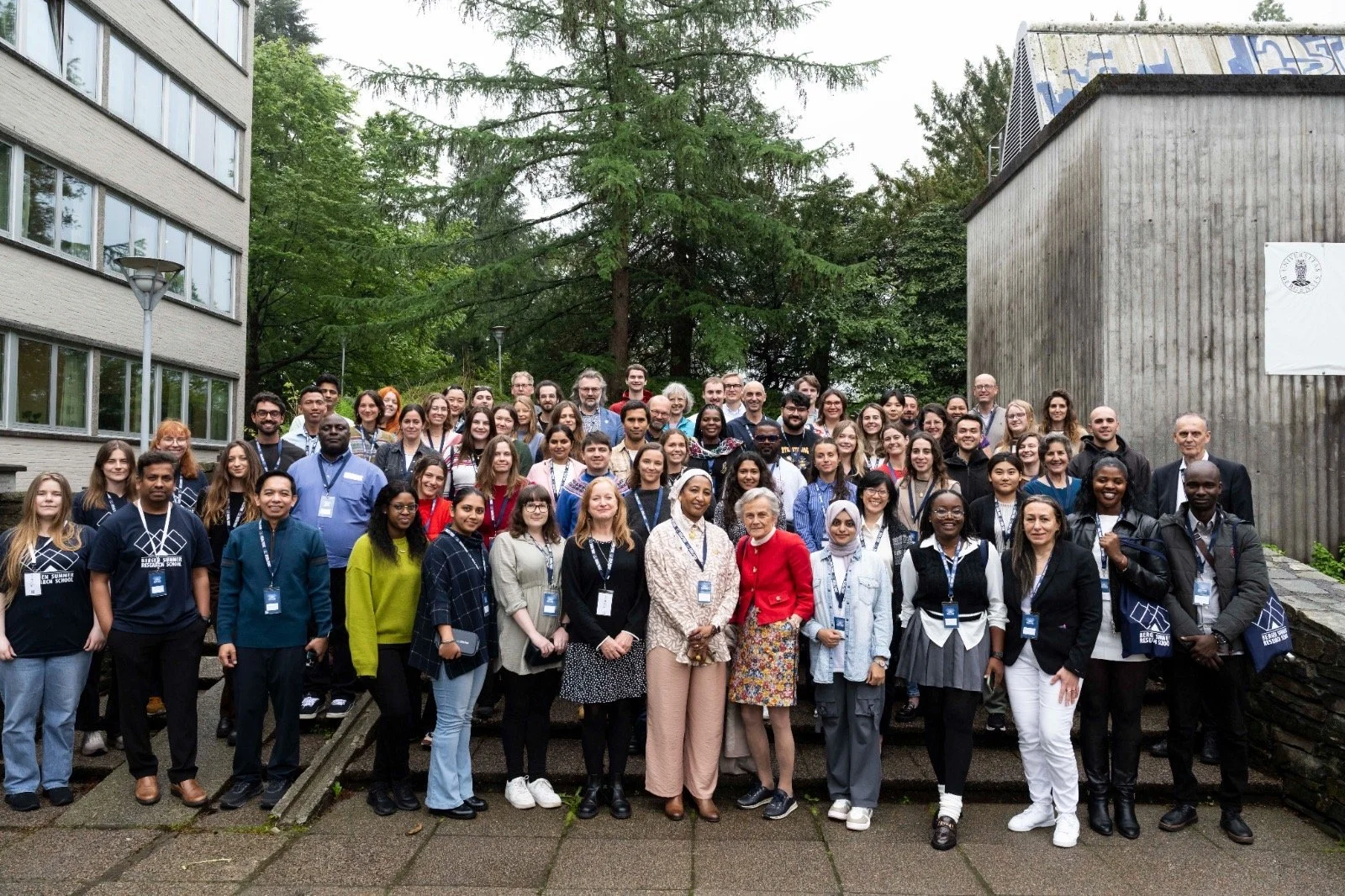
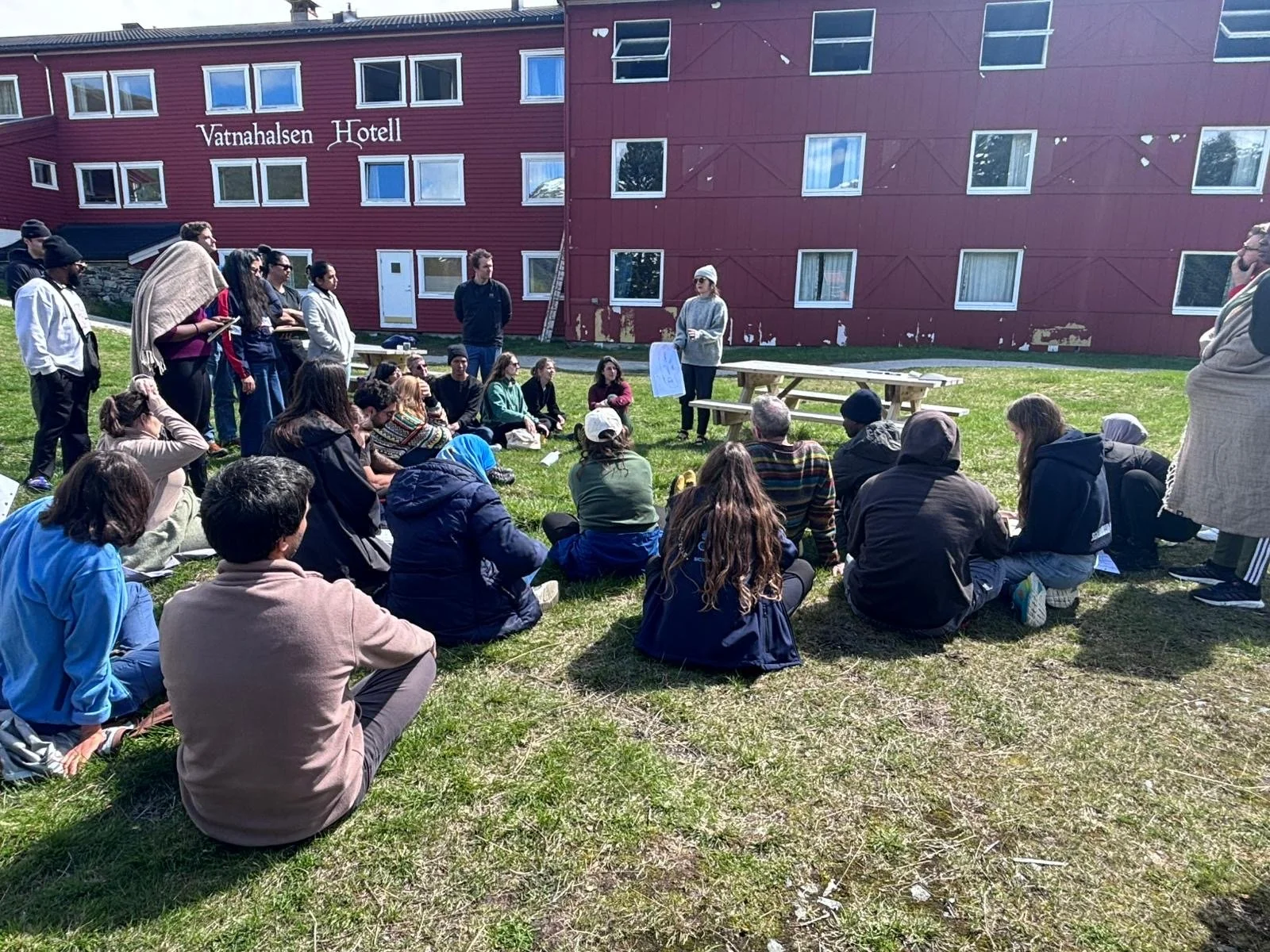
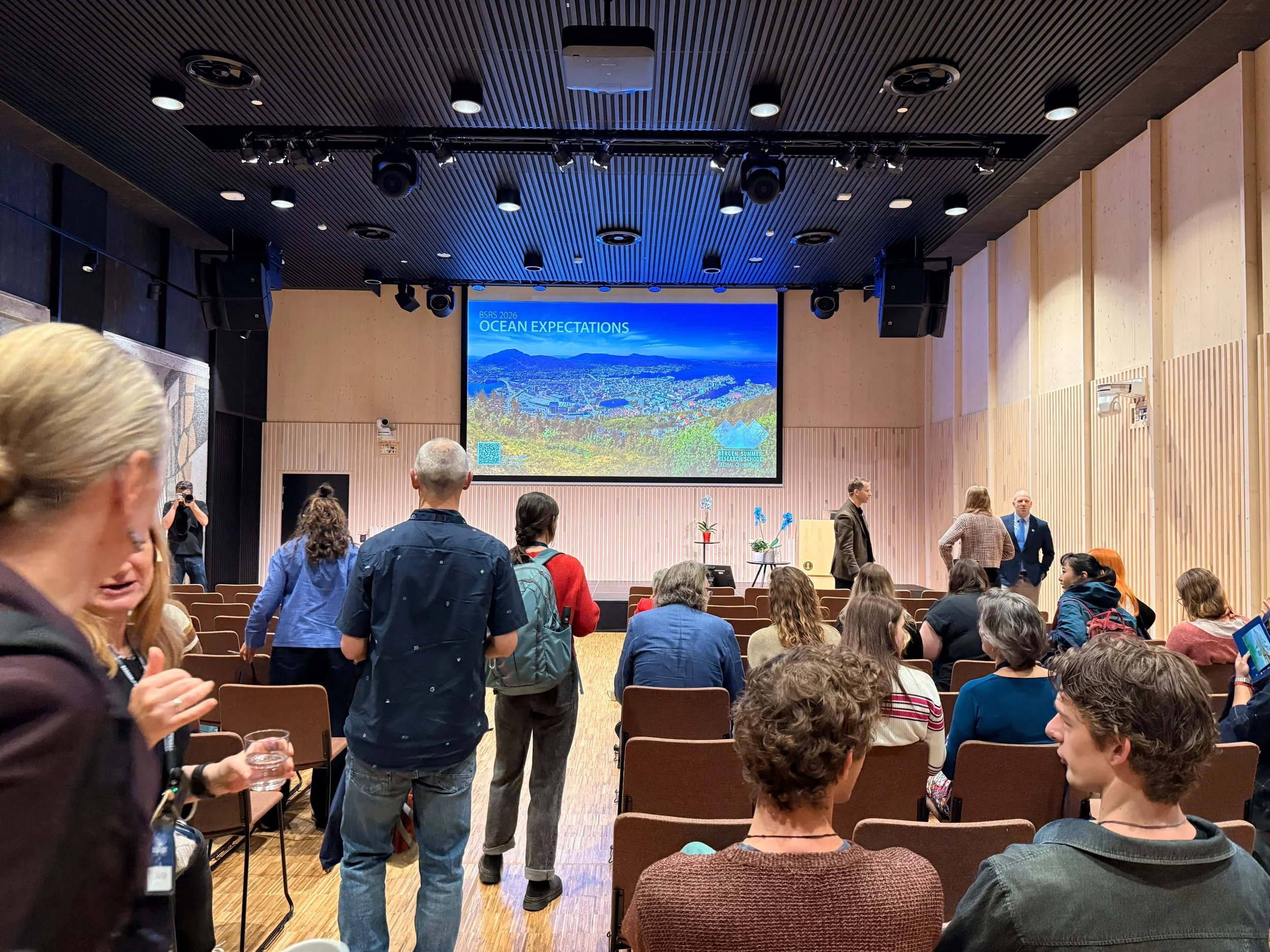
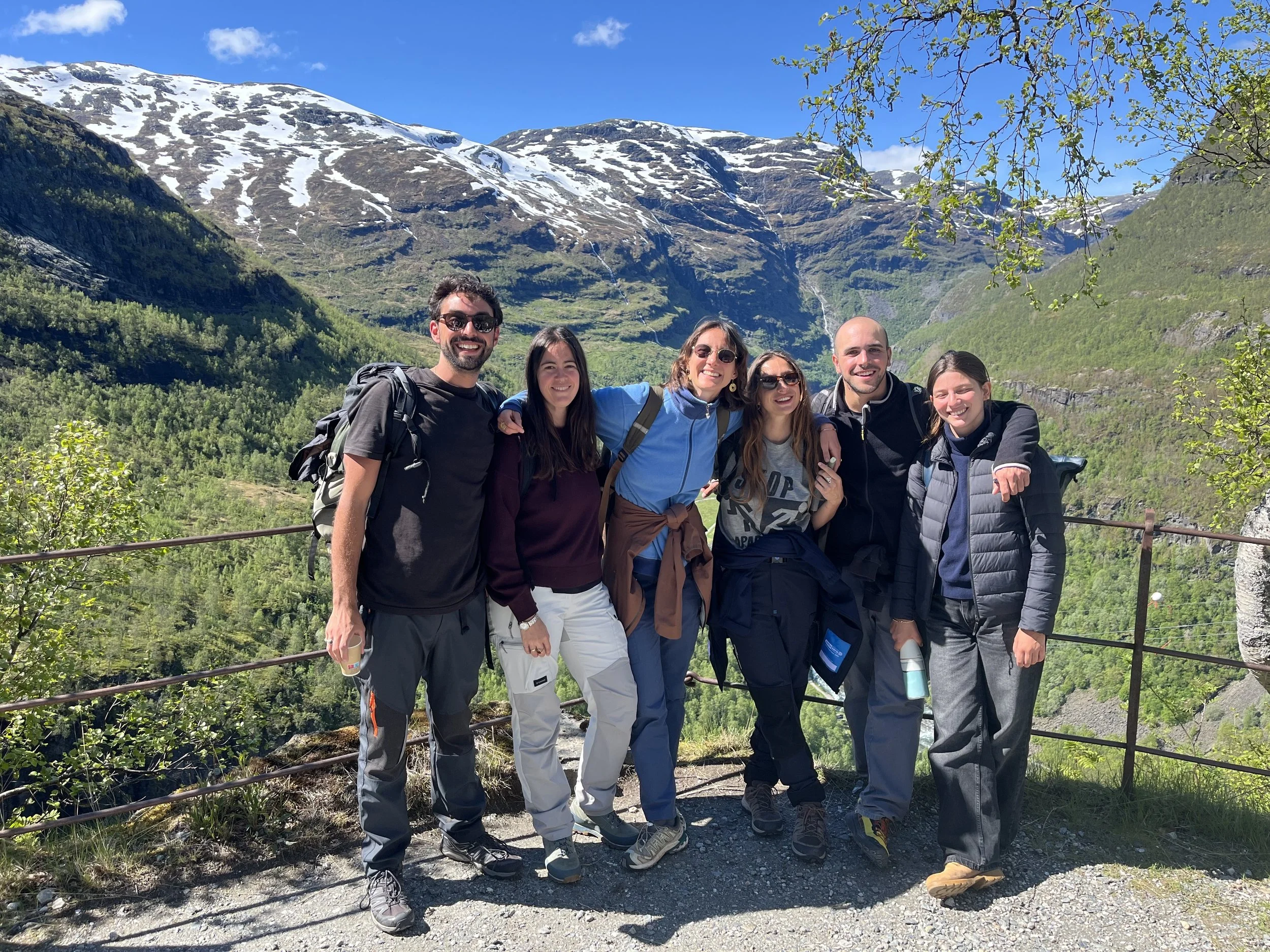
Reflecting on the experience, Federico highlights that one of the greatest benefits was the opportunity to interact with researchers from diverse scientific backgrounds and cultural contexts.
"The Summer School made me realise even more clearly that understanding ocean change requires connecting biological observations with climate processes, modelling, social dimensions and scientific communication. It also reinforced the importance of interdisciplinary collaboration for addressing future ocean challenges."
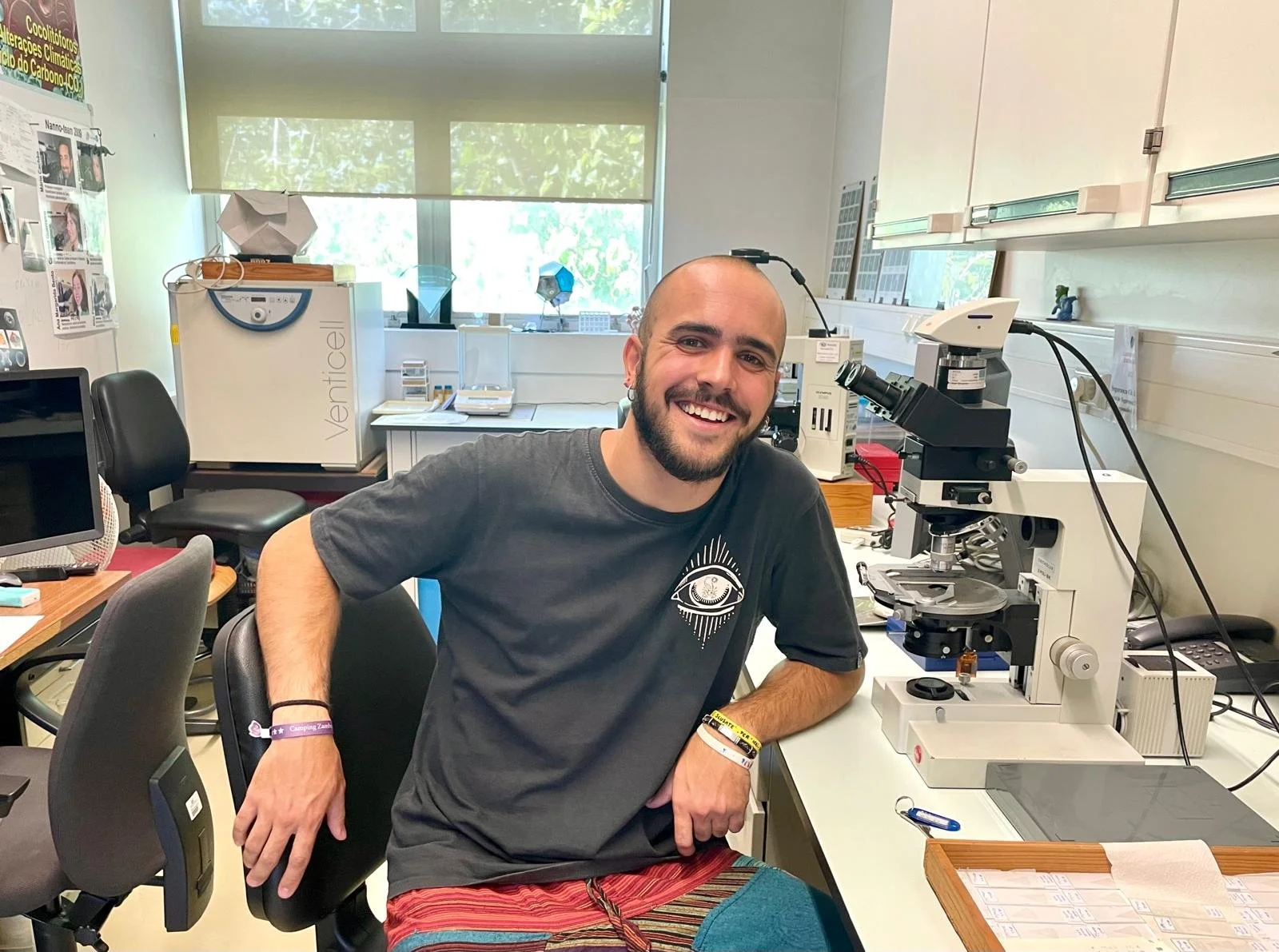
Federico Malavolta joined our research group in 2024 through an Erasmus traineeship in collaboration with the University of Milano-Bicocca (Italy). After completing his MSc on coccolithophore communities living in the South Atlantic Subtropical Gyre (AMT28), he successfully secured a competitive PhD fellowship from the Portuguese Foundation for Science and Technology (FCT) to continue his scientific journey with us. He is currently a PhD student at FCUL, working in the Calcareous Nannofossil Laboratory within the CHASE project, in a joint research environment between MARE and IDL, in close collaboration with IOCAG (University of Las Palmas de Gran Canaria) and NIOZ (Royal Netherlands Institute for Sea Research). His research explores how Saharan and Namibian dust deposition influences phytoplankton communities, carbon export, and the biological and carbonate carbon pumps in the eastern tropical North Atlantic.
For the CHASE and OceanICU projects, this experience represents an important investment in the development of early-career researchers. Strengthening interdisciplinary thinking, expanding international scientific networks and exposing young scientists to complementary approaches are essential steps towards improving our understanding of atmosphere–ocean interactions and the role of atmospheric aerosol deposition in regulating marine biogeochemistry and the ocean carbon cycle.