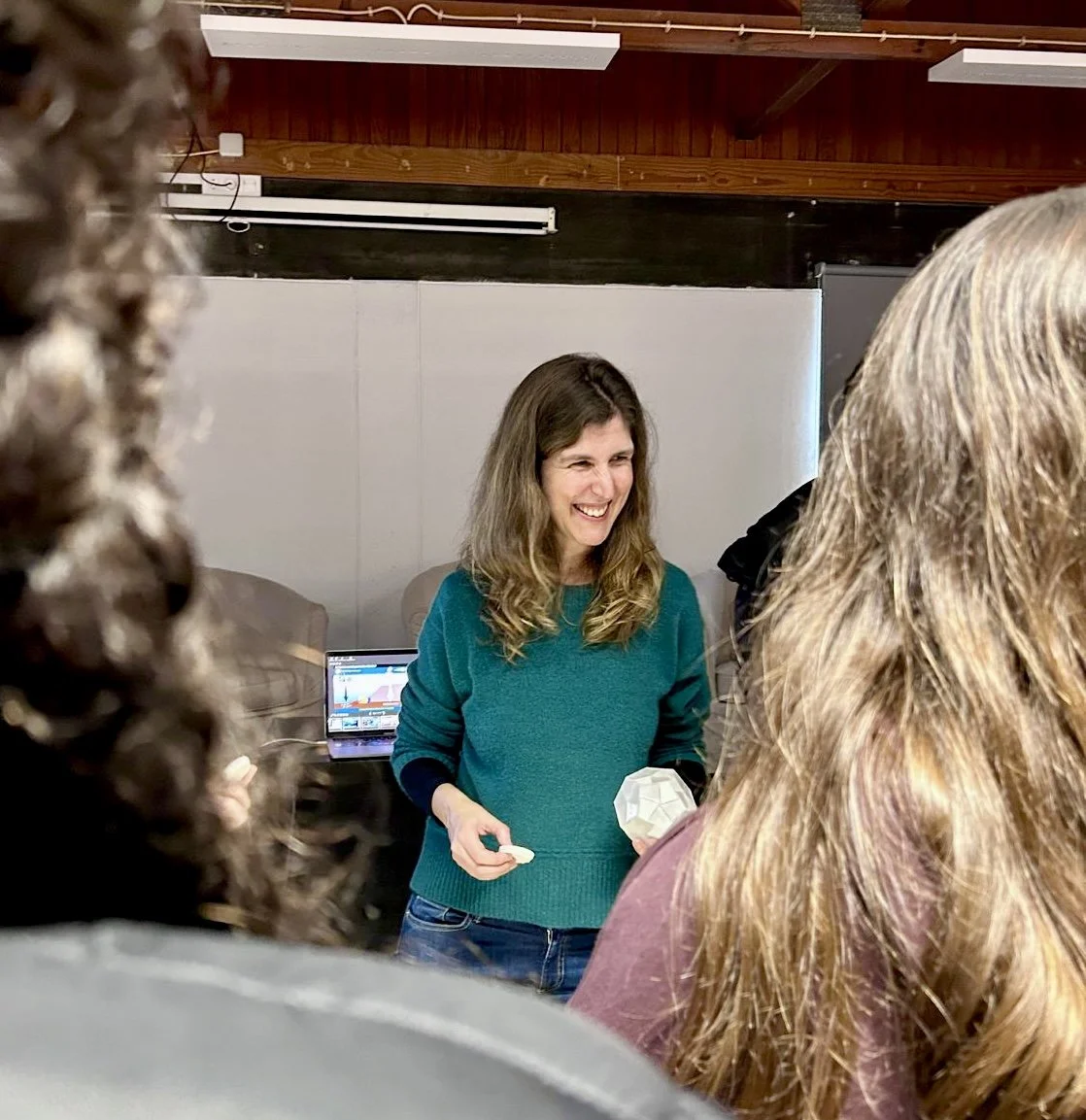
On February 11th, I had the privilege of returning to Escola Básica e Secundária Helena Cidade Moura, in Alcabideche, at the invitation of the Ciência Viva Club Planeta Oceano: Conhecer e Experimentar para Proteger, to celebrate the International Day of Women and Girls in Science.
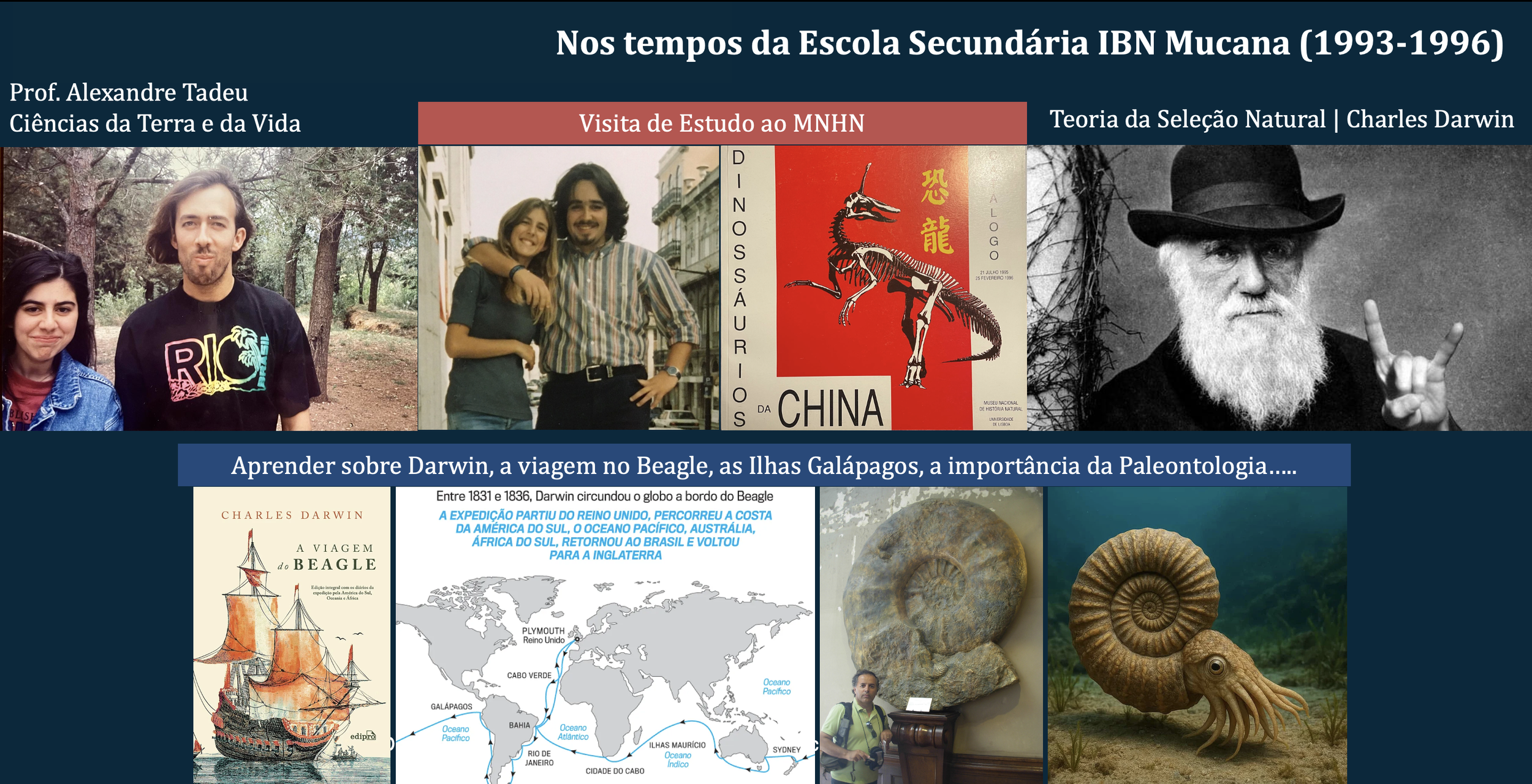
This visit was particularly meaningful to me, as it was in this very school that I first learned about Darwin, the voyage of the Beagle, and the early scientific stories that sparked my curiosity about the natural world. Coming back now as a marine scientist felt a bit like closing a circle — even though I still often find myself as amazed as I was as a student by the wonders revealed through climate–ocean connections, which I am still in the midst of trying to understand.
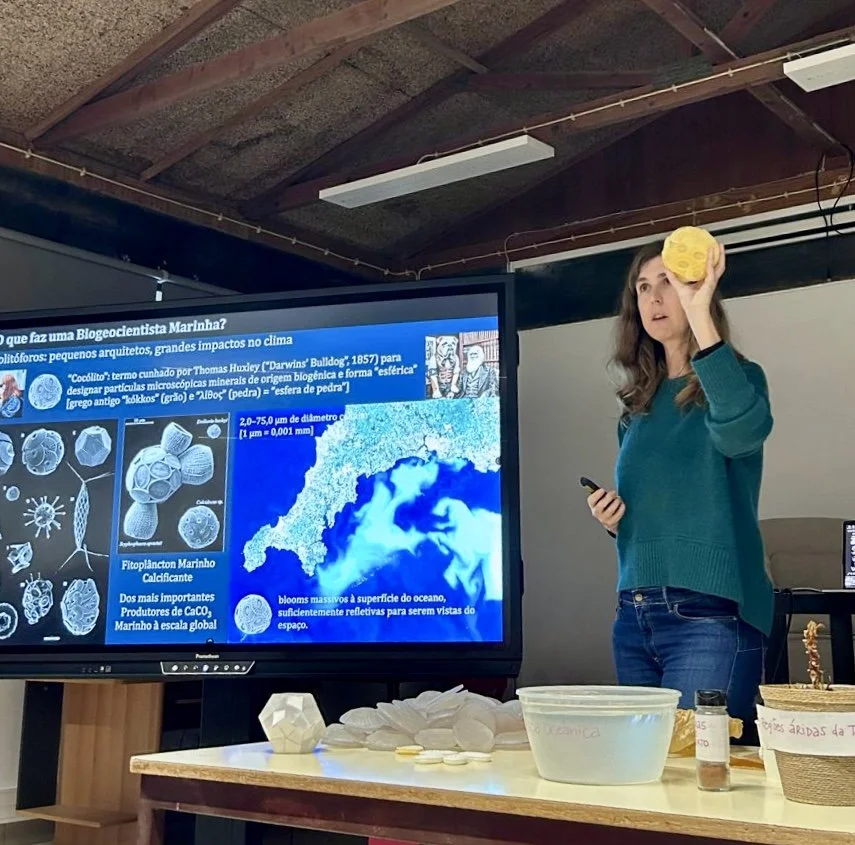
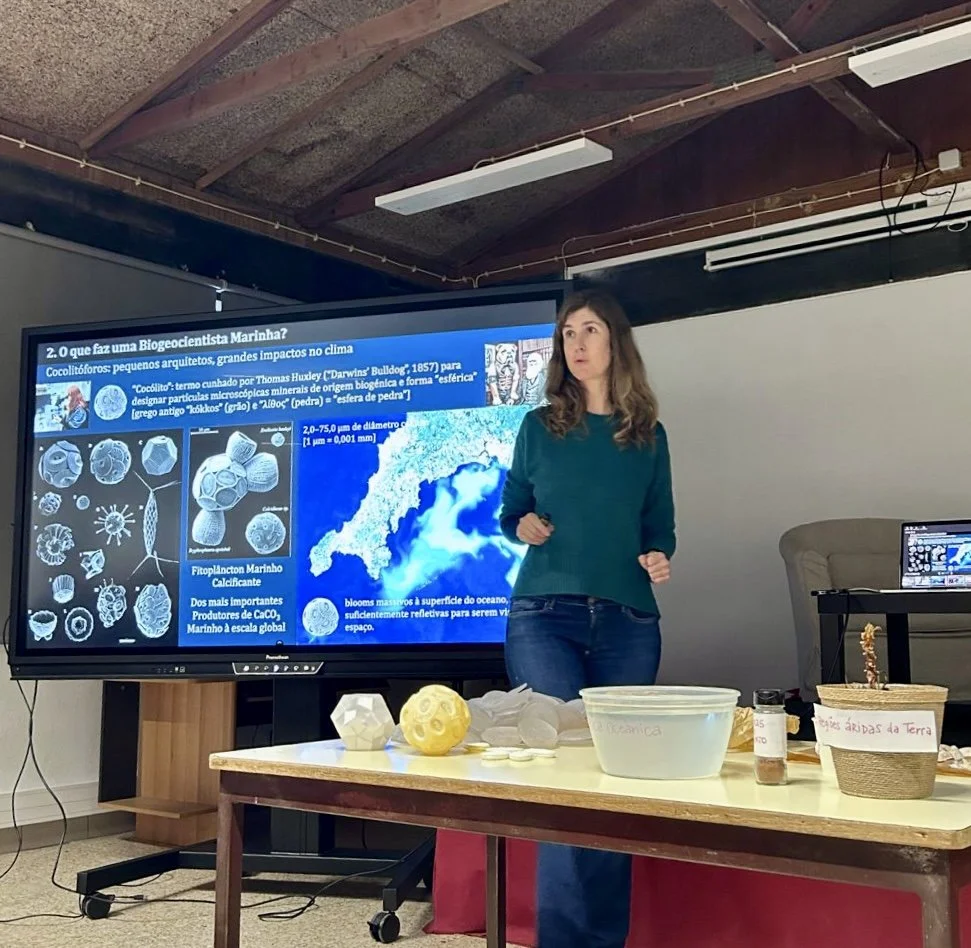
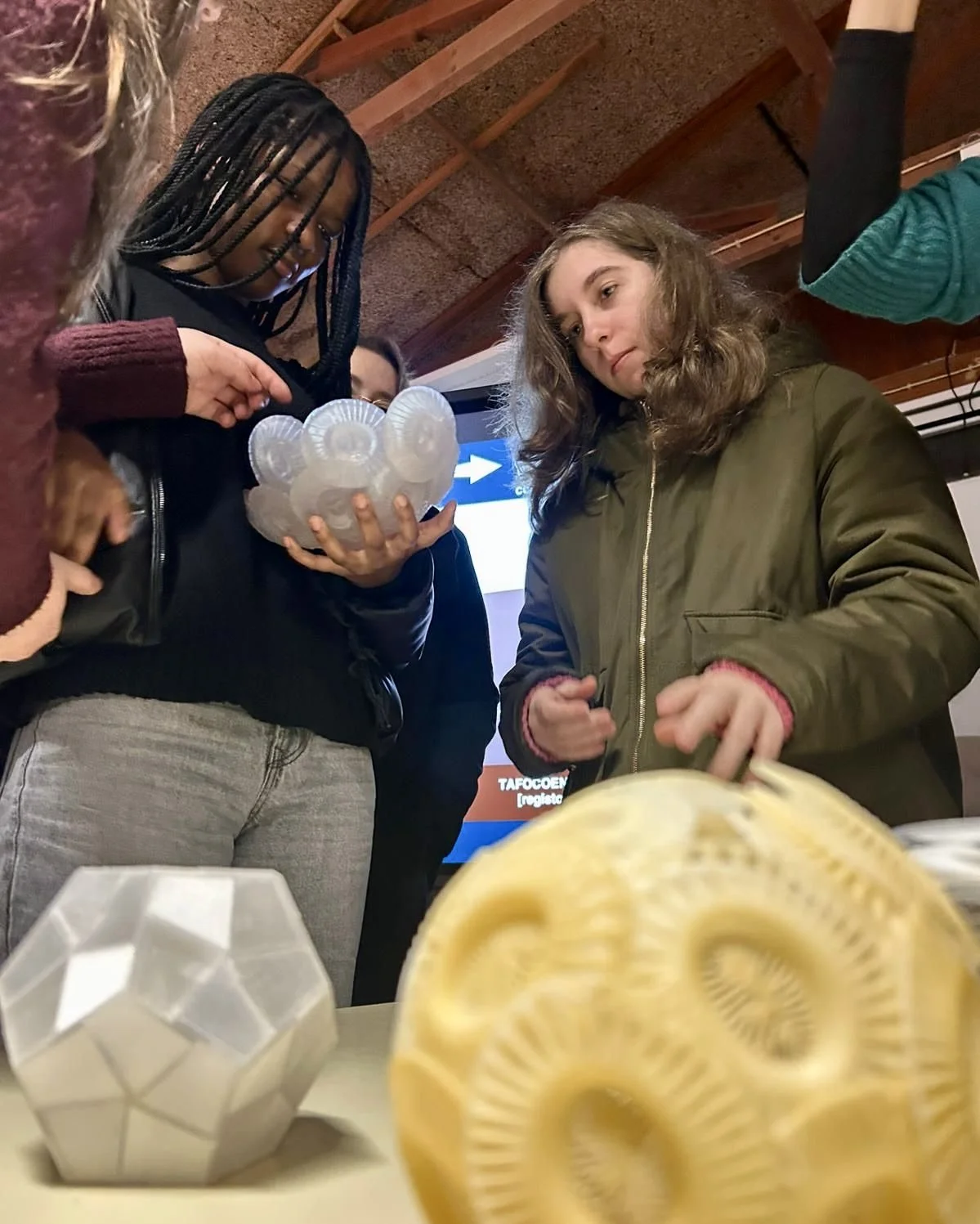
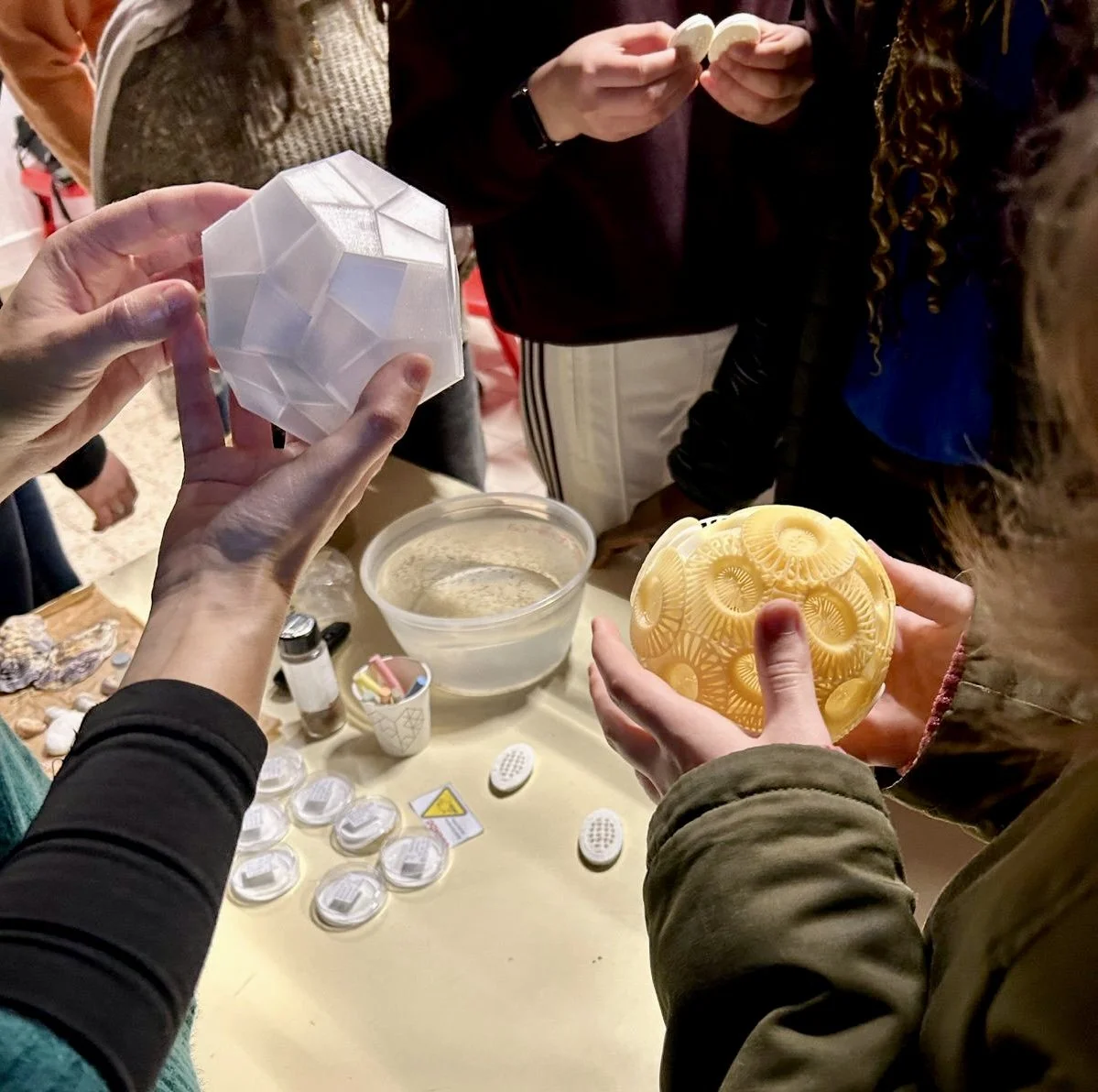
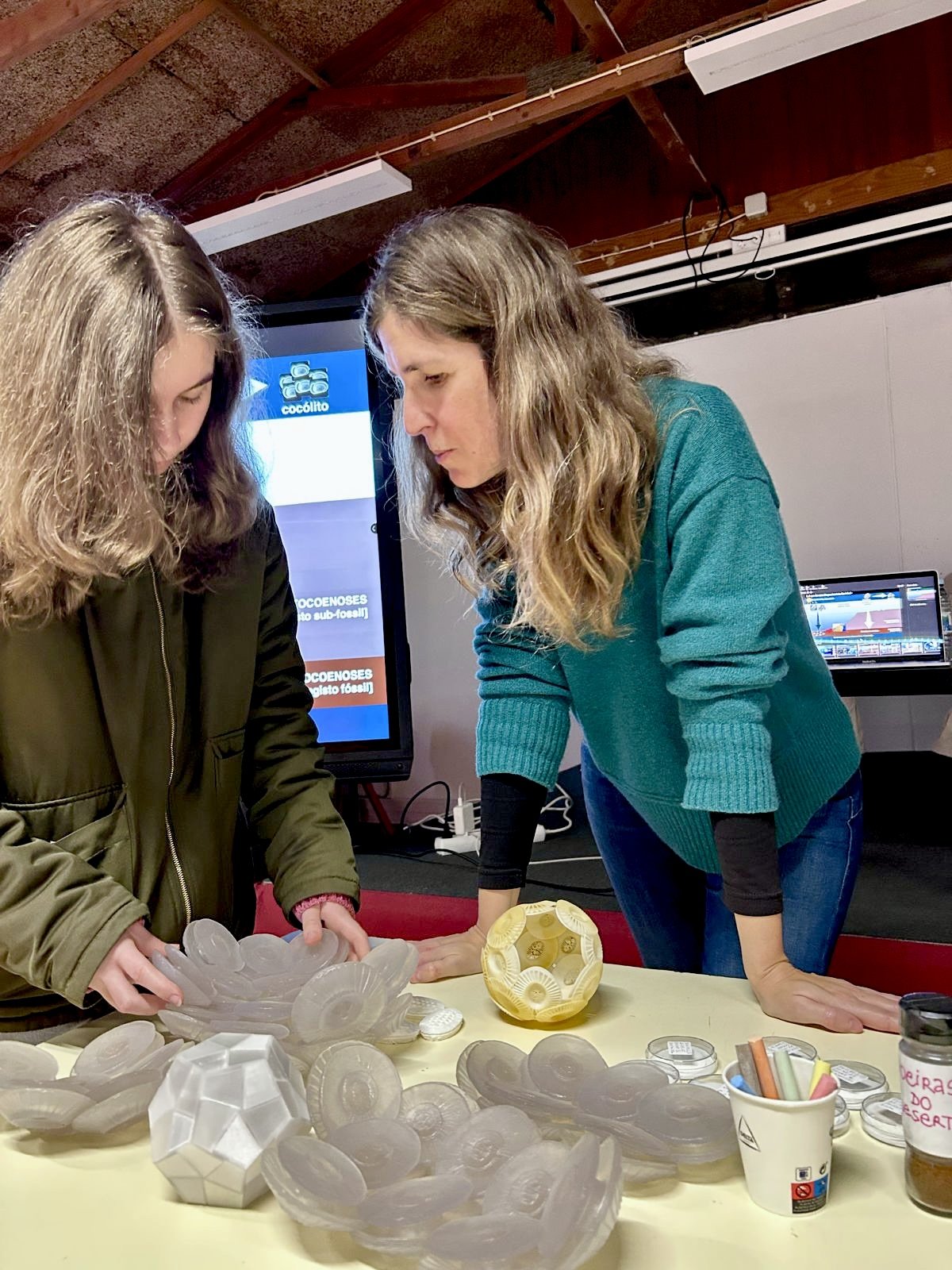
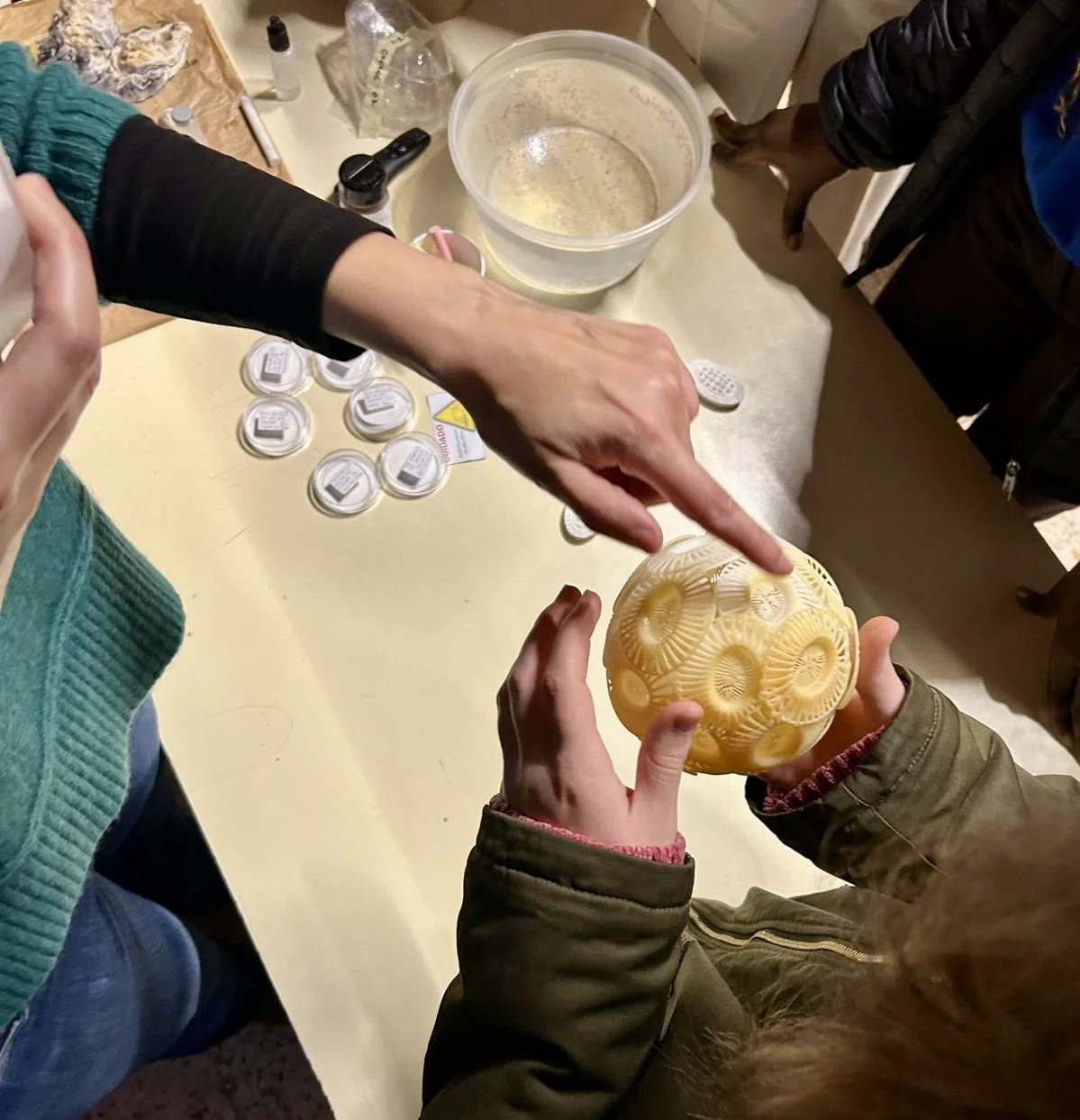
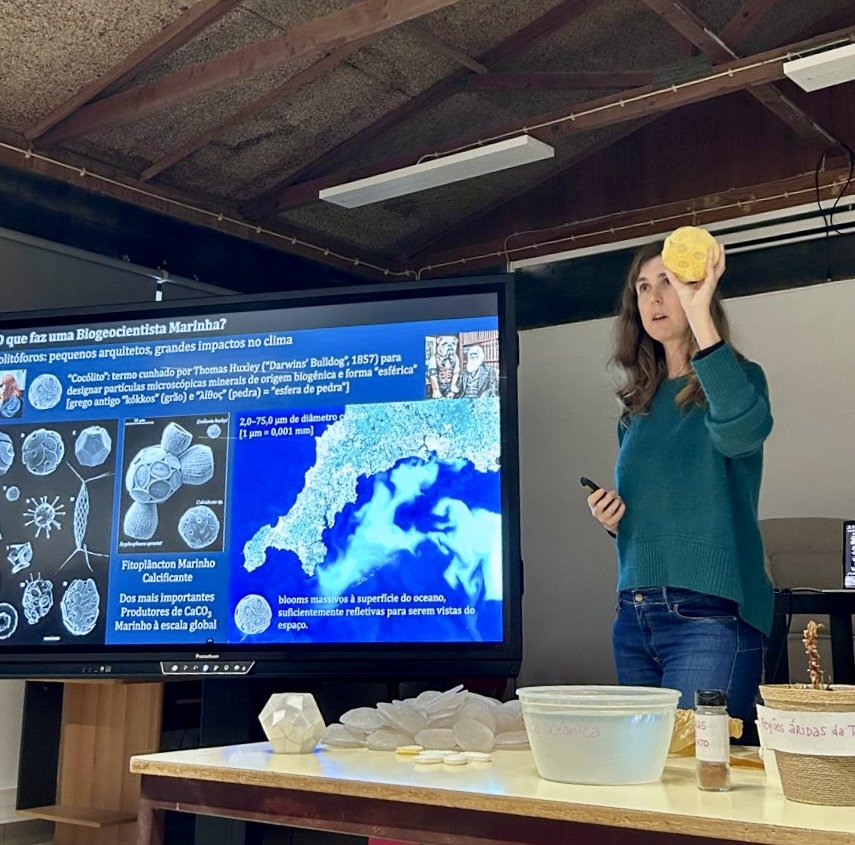
Introducing one of the most amazing groups of marine organisms: the tiny architects of titanic climate impact called coccolithophores (calcifying phytoplankton, Haptophyta).
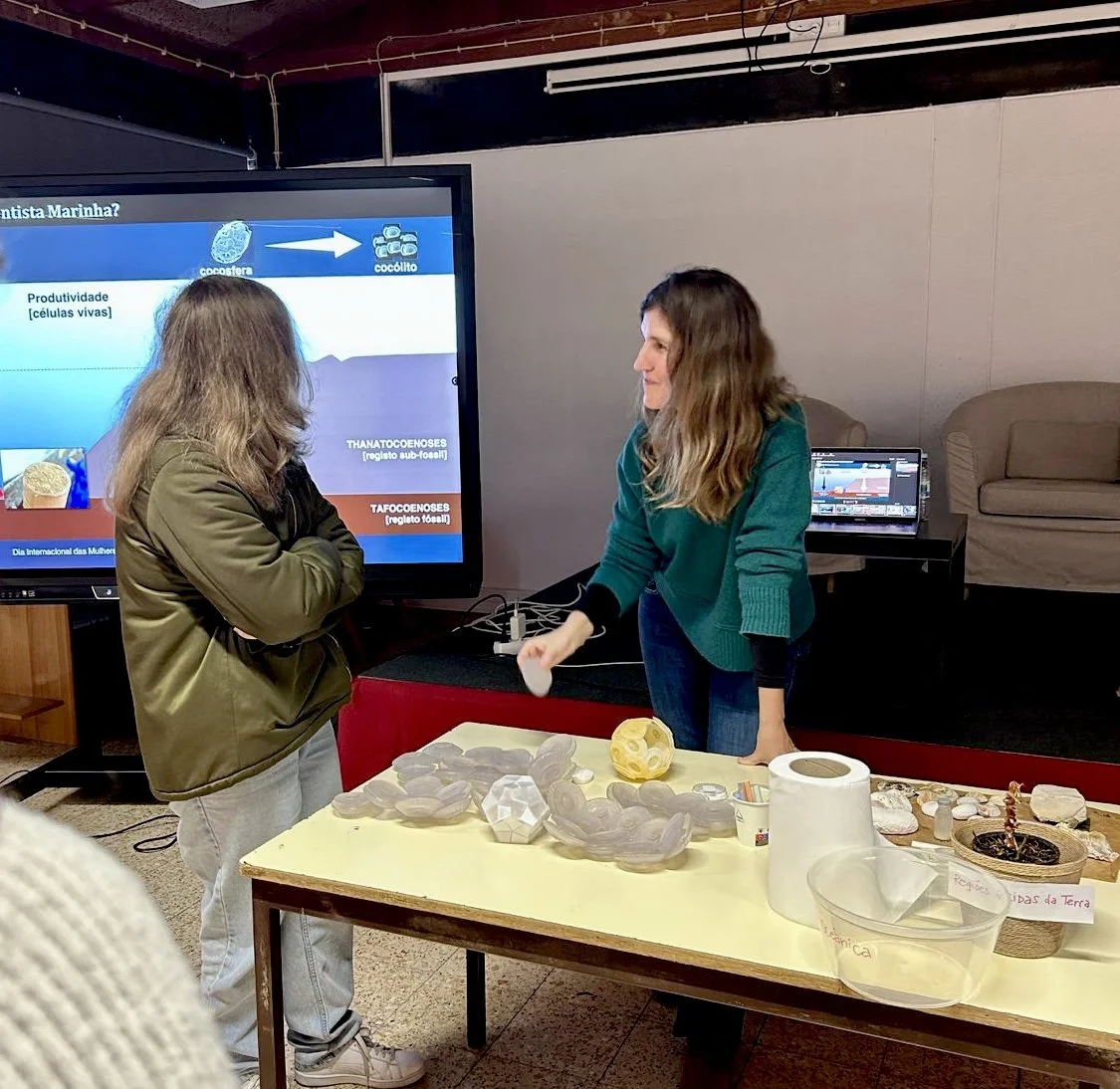
The goal of the session was simple — yet deeply meaningful: to share with secondary school students not only my work as a scientist, but also the personal journey that brought me here. We spoke about science, certainly, but also about curiosity, uncertainty, travels, unexpected paths, and the many experiences that shape us along the way.
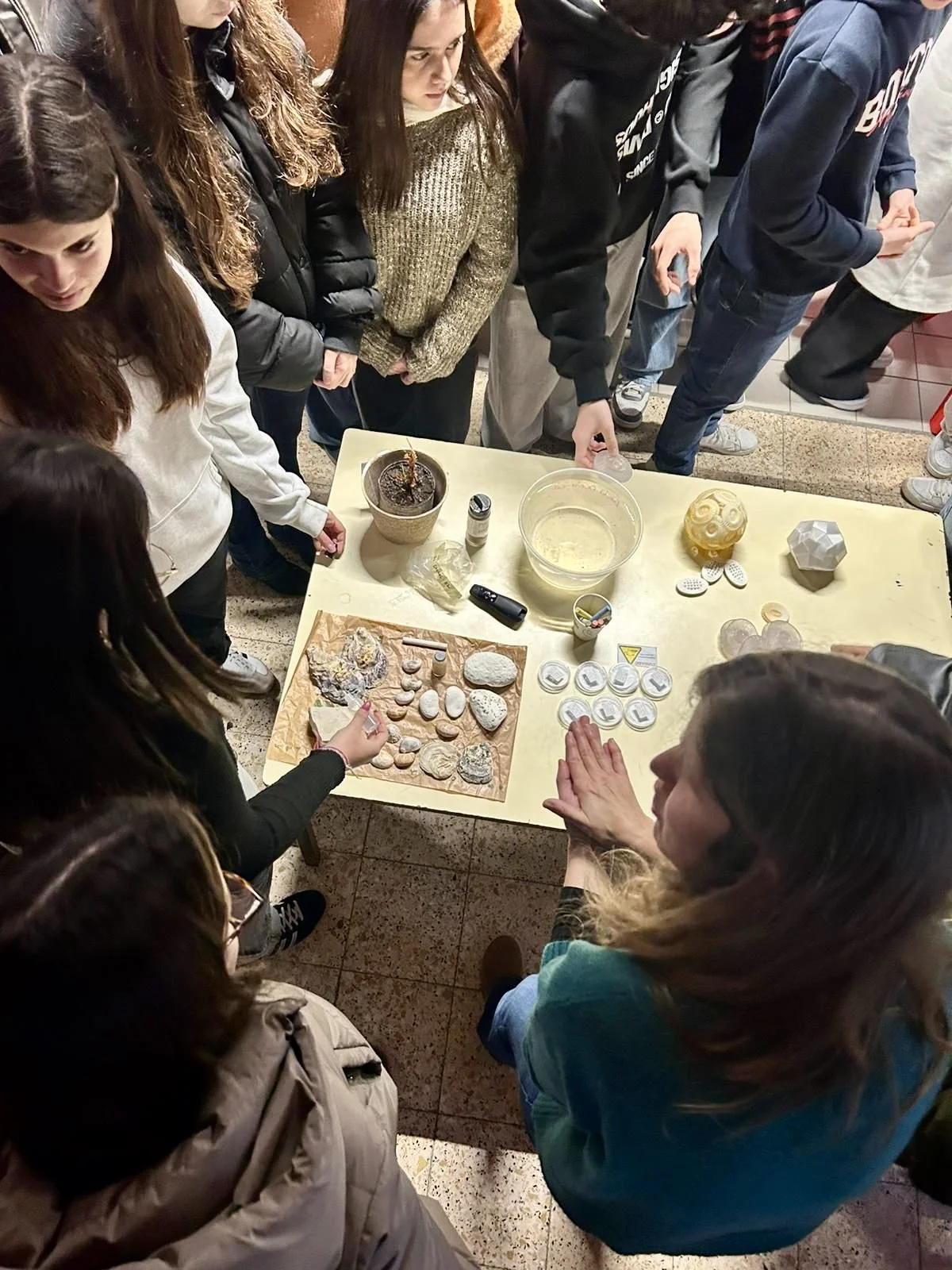
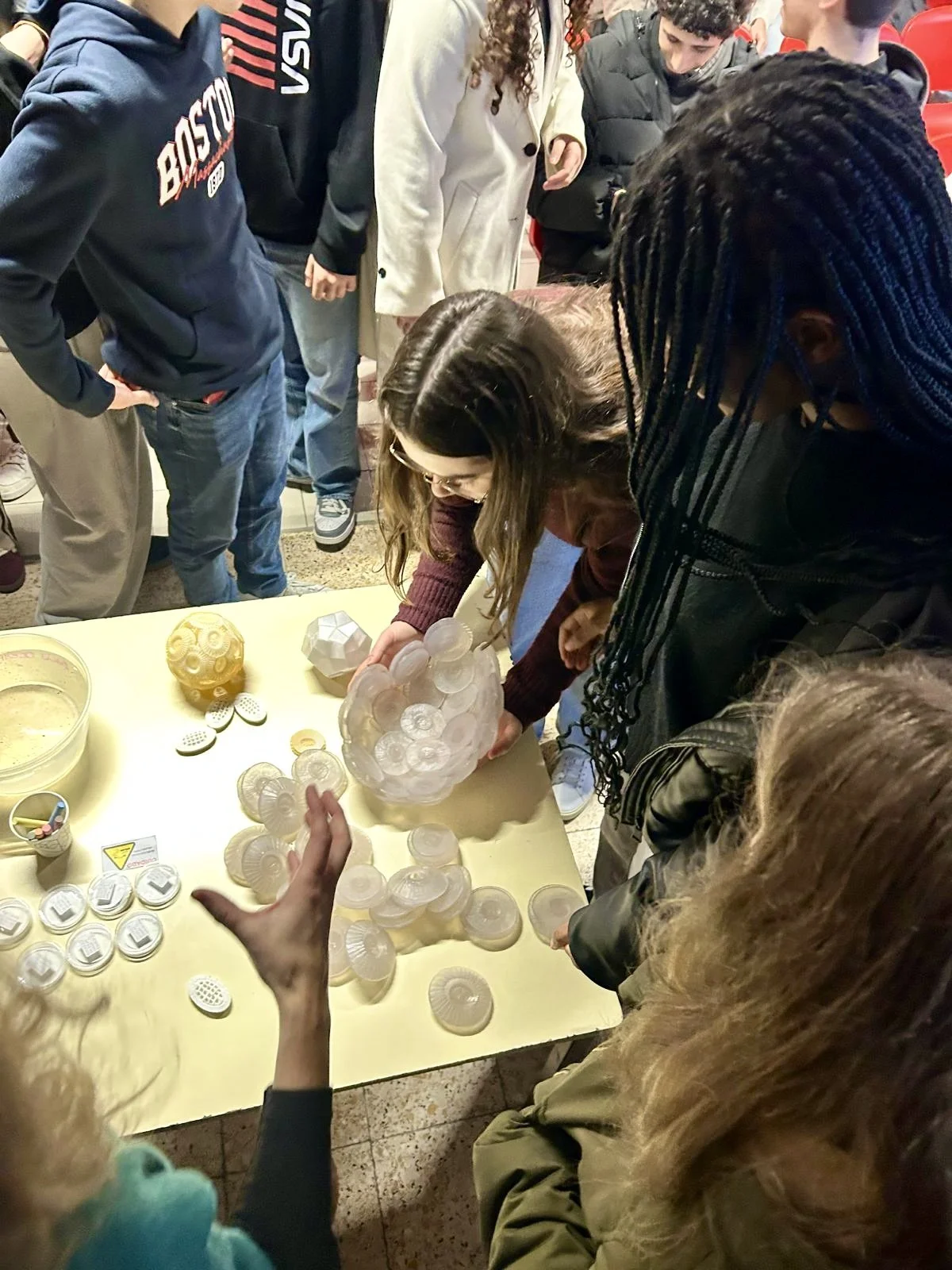
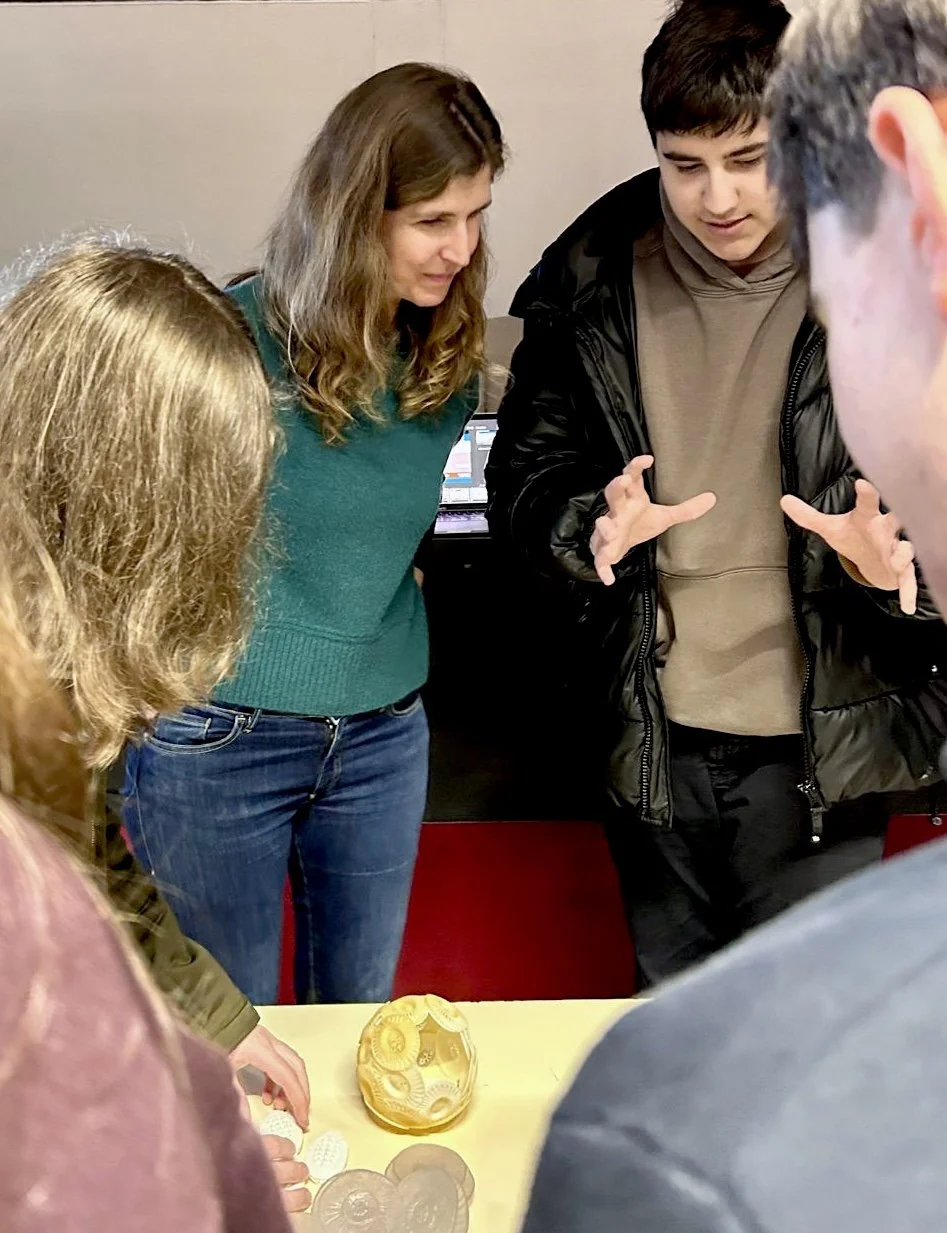
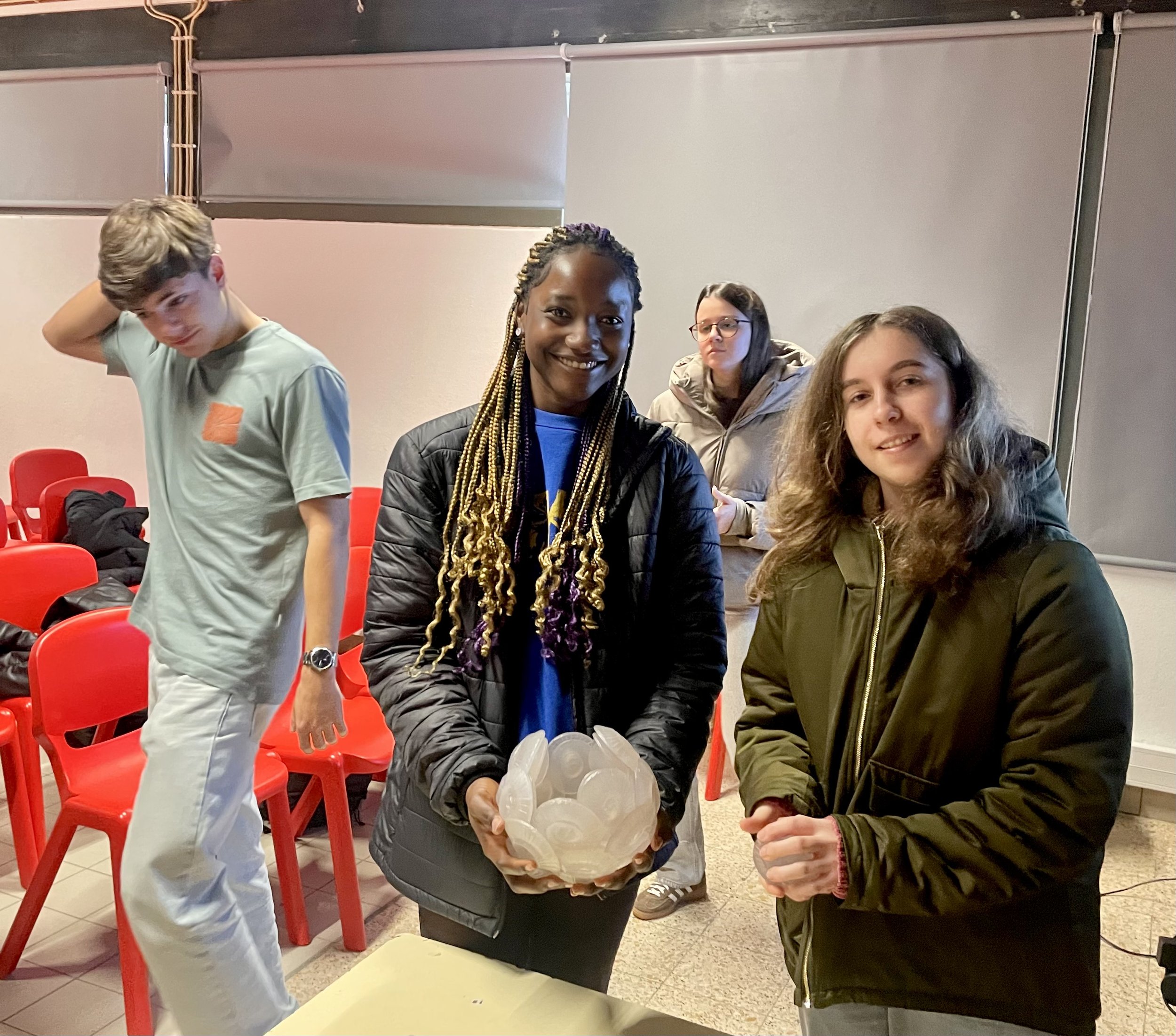
During the talk, we explored the ocean as a dynamic and interconnected system: Saharan dust fertilising the Atlantic, microscopic coccolithophores, field expeditions, and the importance of asking questions — the kind we begin asking as children and continue to pursue as researchers. One of the most rewarding moments was the hands-on component, where students could engage directly with materials and experience the experimental side of science. Watching curiosity unfold — sometimes cautiously, sometimes enthusiastically — is a powerful reminder of why connecting scientists with schools matters so much.
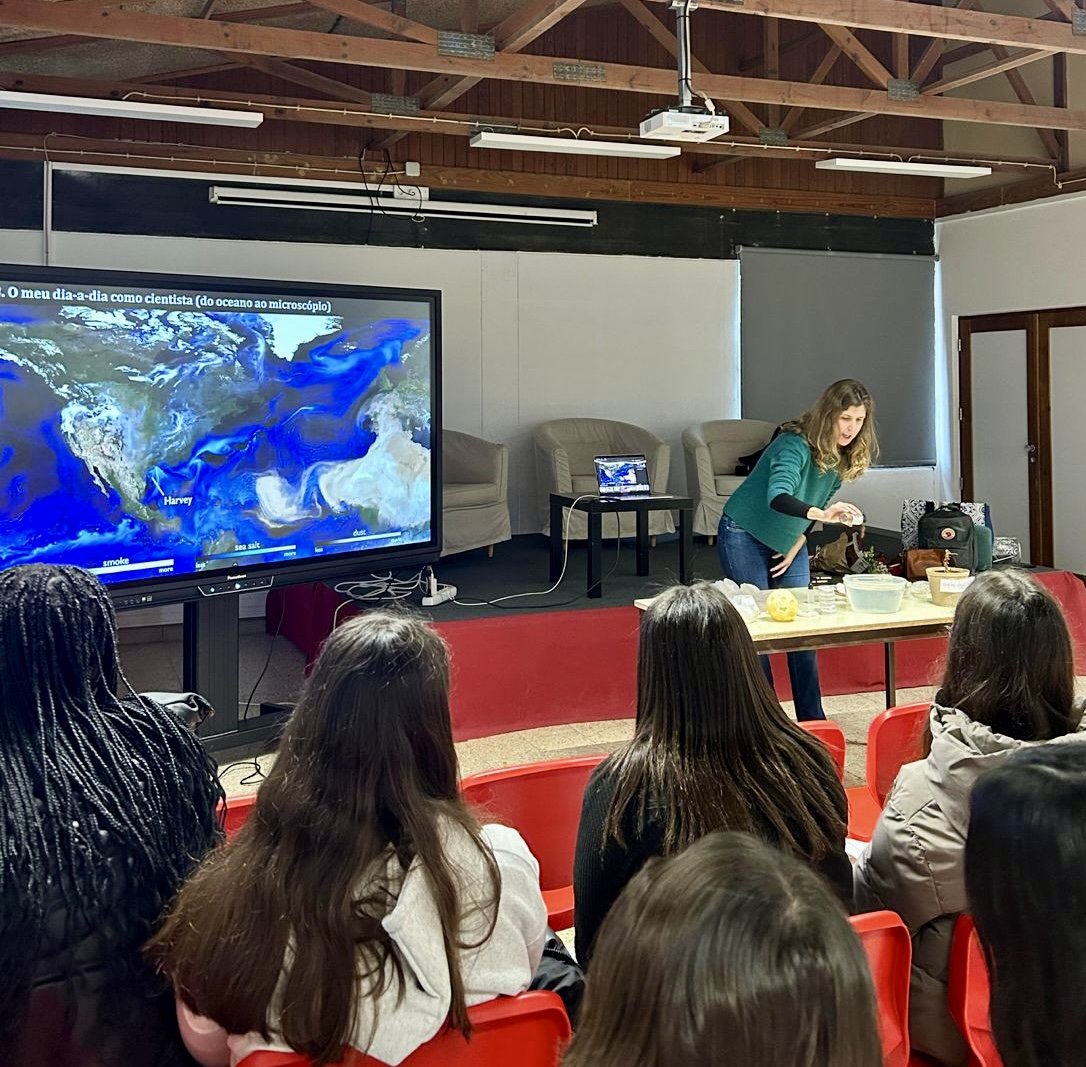
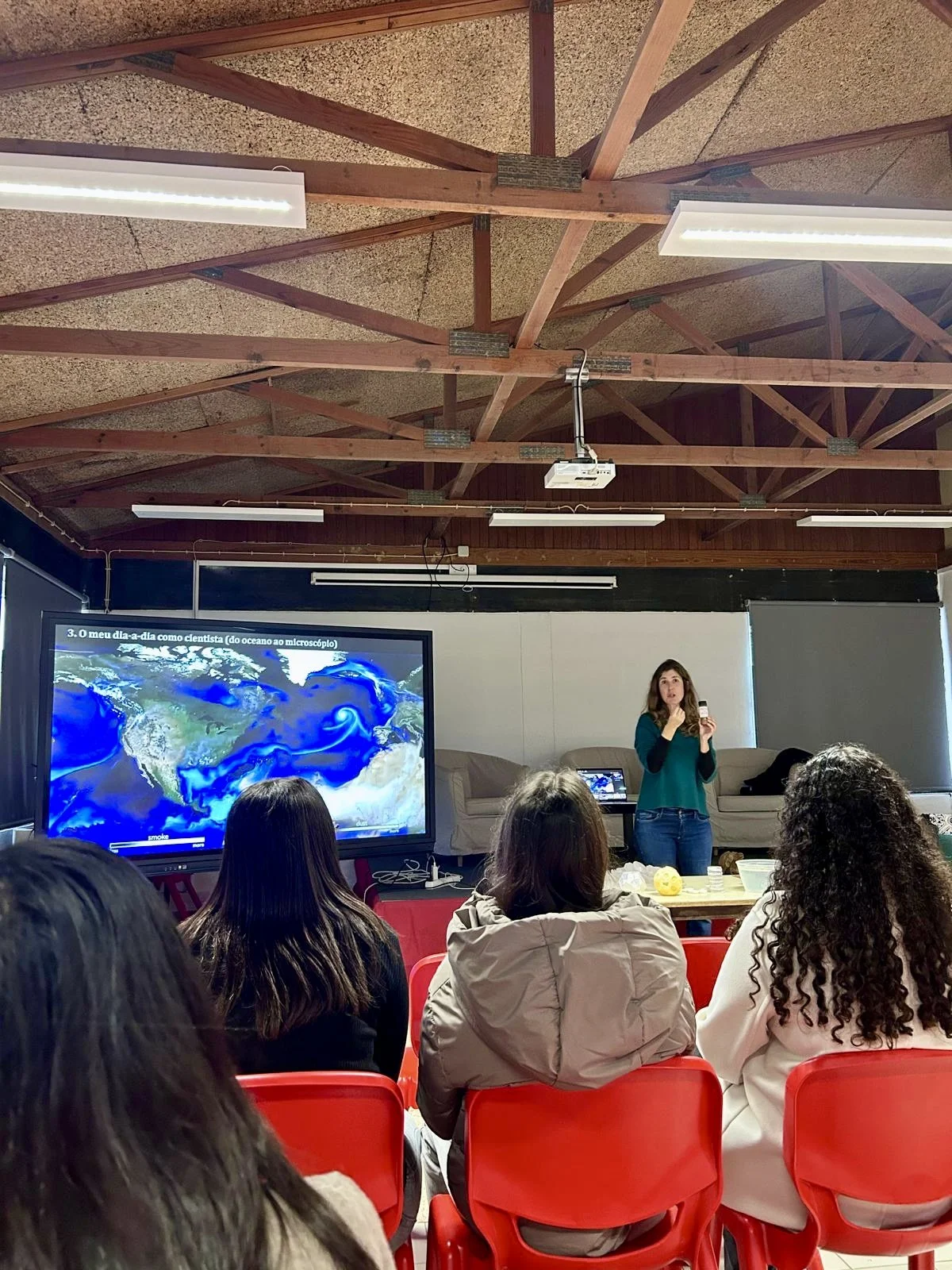
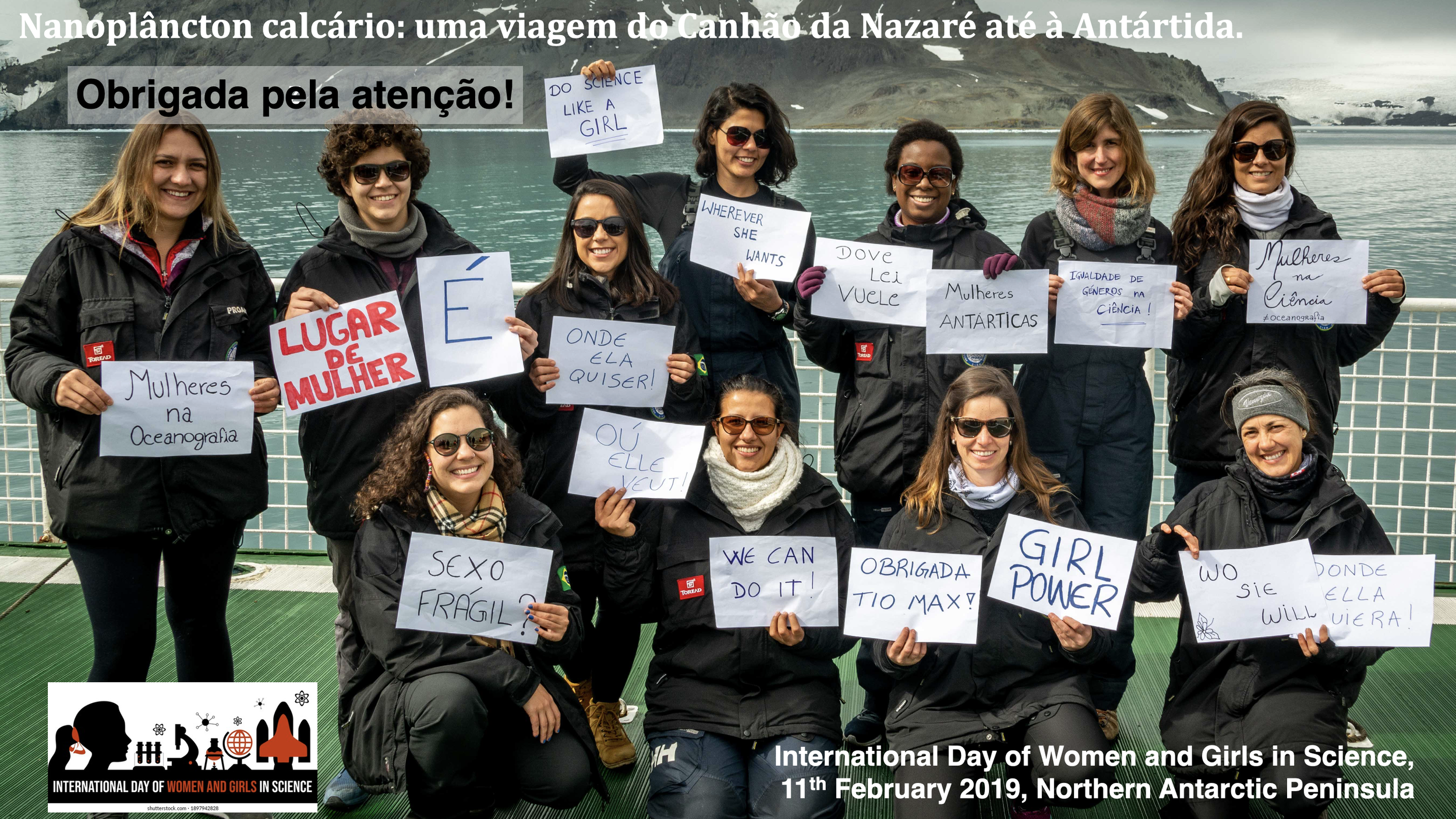
The International Day of Women and Girls in Science is more than a symbolic celebration. It is an opportunity to show that science is shaped by real people, diverse paths, and the courage to explore the unknown. If even one student leaves such an encounter thinking, “perhaps this could also be for me,” then the effort is already worthwhile.
I would like to warmly thank the Ciência Viva Club of the Agrupamento de Escolas Ibn Mucana for their invitation and thoughtful organisation. Initiatives like this play a vital role in bringing science closer to society and inspiring future generations.
Because protecting the ocean begins with understanding it — and understanding always begins with curiosity.